
Now Reading: Raising Curious Travelers: A Real-World Guide to Family Trips with Cultural Respect
-
01
Raising Curious Travelers: A Real-World Guide to Family Trips with Cultural Respect
Raising Curious Travelers: A Real-World Guide to Family Trips with Cultural Respect


Raising Curious Travelers: A Real-World Guide to Family Trips with Cultural Respect
Family travel planning often feels like juggling a million things at once—packing, keeping kids entertained, sticking to a budget—while trying not to miss out on what really matters: connecting with new cultures. You want your trip to spark curiosity and teach your kids respect for the places you visit, but where do you start? This guide breaks down how to plan meaningful family trips that fit your budget, keep everyone safe, and invite your crew to slow down and truly engage with the world around them. For more tips on how to make your family vacation educational and respectful, check out this resource.
Planning a Culturally Rich Family Trip

Step-by-Step Travel Planning Guide
Start your journey with a clear path. Thoughtful planning can turn travel dreams into reality. Begin by choosing a destination that excites everyone. Let each family member pick one activity or place they’d love to explore. Research is your best friend here—look into local traditions, food, and must-sees. Consider creating a flexible itinerary that allows for both structured visits and spontaneous adventures. Remember, the unexpected often brings the most memorable moments!
Budget-Friendly Travel Tips for Families
Traveling with your family doesn’t have to break the bank. Start by setting a budget and sticking to it. Look into off-season travel for cheaper flights and accommodations. Consider staying in local guesthouses or rental homes, where you can cook some meals to save money. Search for free activities like local festivals or nature hikes. For more budget hacks, see what other families are doing to travel affordably.
Cultural Etiquette for Families
Understanding local customs helps your family show respect and enjoy deeper connections. Before you go, explore cultural norms and practices together. This could mean learning basic greetings, dress codes, or dining etiquette. Make it a fun family challenge to practice these at home. Teaching kids about respecting traditions not only enriches the trip but also nurtures empathy. For more insight into cultural sensitivity, check out this helpful guide.
Engaging Kids in Cultural Travel

Pre-Trip Learning and Excitement
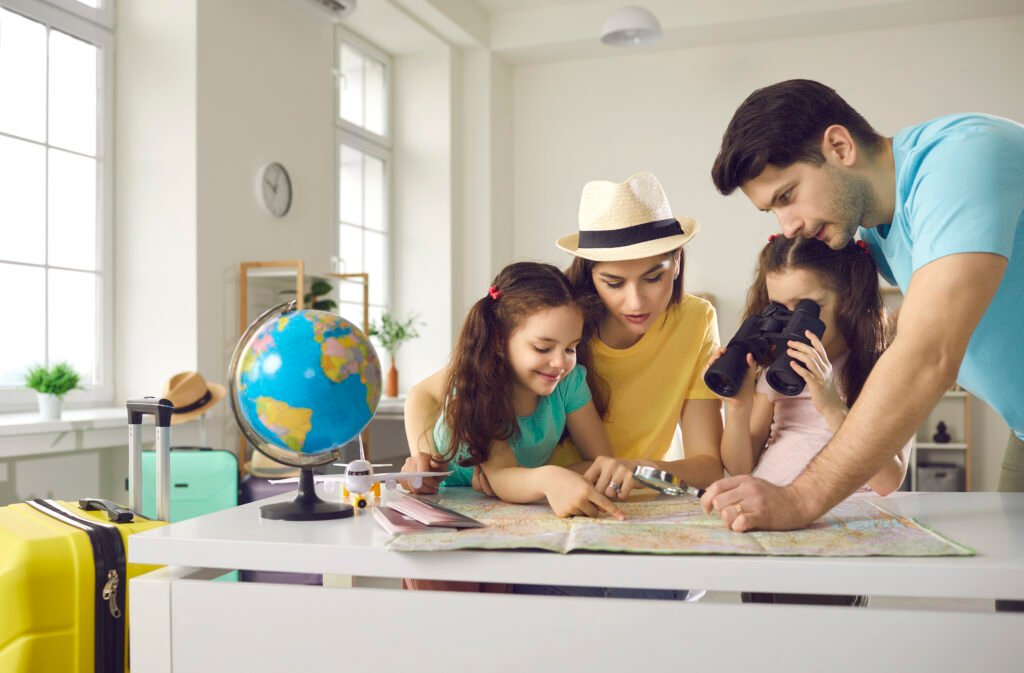
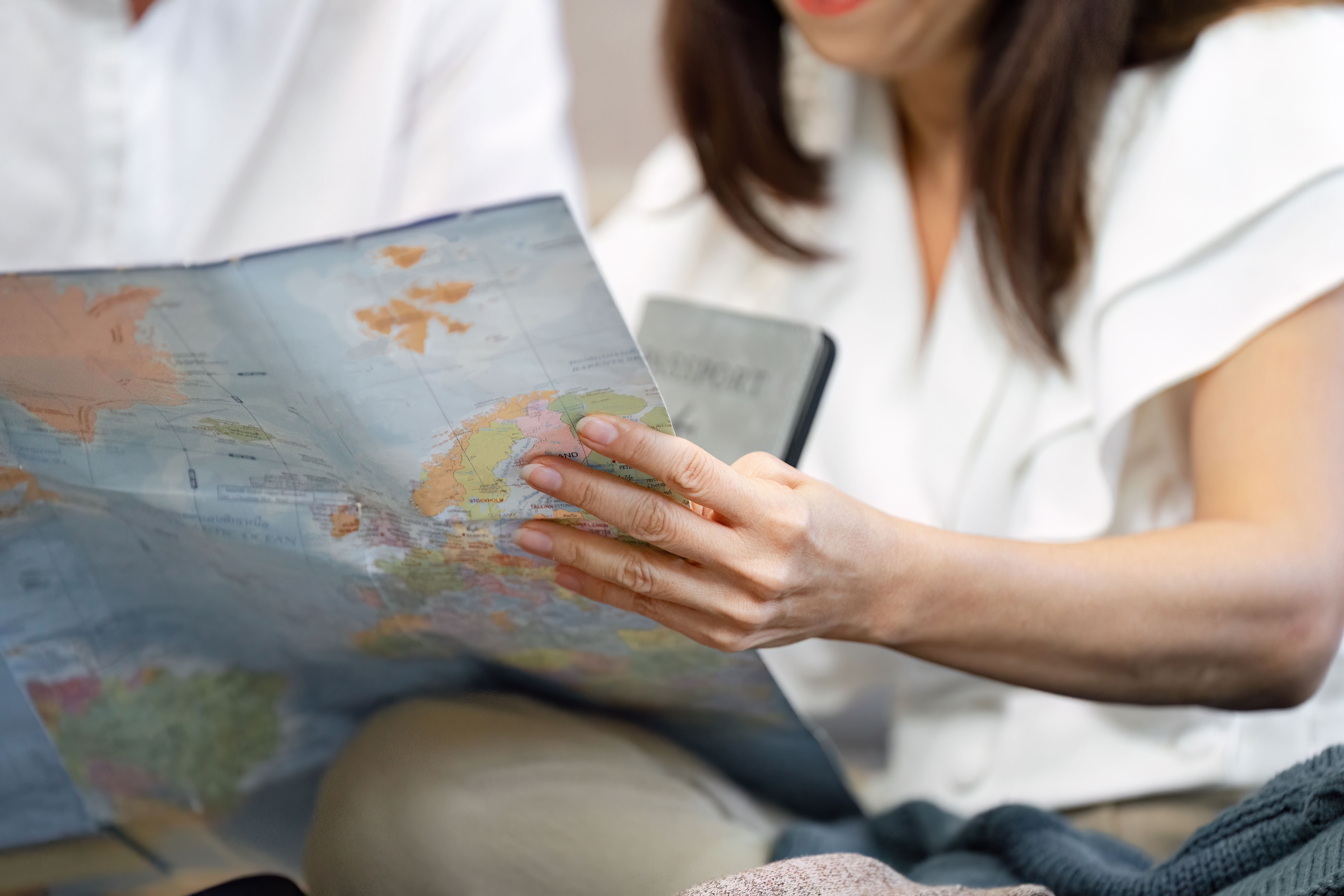
Building anticipation is key to engaging kids in travel. Start with books or movies about your destination. Involve them in planning by asking what they want to learn or do. Use maps to show where you’re headed and point out famous landmarks. This not only educates but also builds excitement. The more they know beforehand, the more they’ll connect with the culture when you arrive.
Fun and Safe Cultural Experiences
When traveling, keep it fun and safe. Choose activities that are age-appropriate and intriguing. Cooking classes, arts and crafts, or nature walks offer hands-on learning. Always prioritize safety by sticking to well-reviewed guides or tours. Encourage your kids to ask questions and engage with locals. This not only enriches their experience but also builds confidence in new settings. Discover more about immersing your family in local cultures here.
Language Basics for Kids
Learning a few key phrases in the local language can be a fun and rewarding challenge for kids. Start with simple words like “hello,” “please,” and “thank you.” Use language apps or videos designed for children to make learning interactive. This not only helps with navigation but also shows respect to locals. Kids often surprise us with their ability to pick up new words quickly!
Reflecting and Growing Through Travel
Travel Journaling for Kids
Encourage kids to keep a travel journal. This practice not only preserves memories but also hones writing skills and reflection. Provide them with prompts like “What was the best thing you tasted today?” or “Describe a person you met.” Pictures, tickets, and sketches can also fill the pages. Journaling transforms fleeting experiences into lasting stories.
Meaningful Family Travel Reflections
After returning home, take time to reflect as a family. Discuss what everyone learned and enjoyed most. This conversation can highlight new insights and future travel dreams. Share stories with friends or family to keep the experience alive. Reflection is a key part of understanding and appreciating the journey.
Building Lasting Cultural Connections
Travel can forge bonds with cultures that last a lifetime. Stay connected by learning more about the places you visited through books, music, or recipes. Encourage kids to share their stories at school or with friends. These experiences can inspire future travels and deepen their global awareness. For more on how travel can strengthen family bonds, visit this article.