
Now Reading: Plan Smart, Wander Freely: Blending Itineraries with Spontaneous Cultural Discoveries
-
01
Plan Smart, Wander Freely: Blending Itineraries with Spontaneous Cultural Discoveries
Plan Smart, Wander Freely: Blending Itineraries with Spontaneous Cultural Discoveries


Plan Smart, Wander Freely: Blending Itineraries with Spontaneous Cultural Discoveries
Planning every minute of your trip can leave little room for the magic that happens when you stumble upon a hidden market or a local festival. Yet, winging it without any plan often leads to stress and wasted time. What if there’s a way to balance a flexible itinerary with spontaneous travel that brings real cultural discoveries without blowing your budget? Let’s walk you through a travel planning framework that keeps your days calm, your wallet happy, and your heart full of authentic local experiences. Find out more here.
Balancing Structure with Serendipity

Finding the sweet spot between a plan and freedom is key to enjoying cultural discoveries. Let’s dive into how you can achieve that balance.
Anchoring Your Itinerary
Start by setting up a few solid plans. These are your must-see spots or events that you don’t want to miss. Think of them as anchors. They provide structure and ensure you hit the highlights. Maybe it’s visiting the Louvre in Paris or taking a cooking class in Italy. These anchors give you something to look forward to each day.
How do you choose these anchors? First, research. Look for unique cultural sites or experiences that resonate with your interests. It could be anything from a historical landmark to a famous local dish. Check travel blogs or cultural websites for inspiration. And remember, the key is to have just enough anchors to guide your trip without boxing you in.
Allowing for Float Time
Float time is the unscheduled part of your day. It’s the space where magic happens. By not over-scheduling, you leave room for the unexpected. You might wander into a street festival or discover a charming café. This flexibility lets you follow your curiosity wherever it leads.
So how much float time should you have? A good rule of thumb is to plan for one or two anchor activities per day. The rest is float. This balance keeps your itinerary flexible while ensuring you still see what you came for.
Embracing Travel Serendipity
Serendipity is the secret sauce of memorable travel. It’s those unplanned moments that often become the highlight of your trip. Maybe you meet a local who invites you to a family dinner or discover an art exhibit you hadn’t planned to see.
To embrace serendipity, be open to changing plans. If you hear about a local event, go check it out. Or if you stumble upon a beautiful park, take a moment to relax and soak it in. These experiences enrich your journey and create lasting memories.
Tools for Spontaneous Cultural Finds

To make the most of spontaneous moments, arm yourself with the right tools. These can enhance your adventure and keep surprises affordable.
Offline Maps for Travel
Offline maps are a traveler’s best friend. They help you navigate without relying on internet access, which is crucial in remote areas. Apps like Maps.me or Google Maps allow you to download maps for offline use. Mark your anchors and key points of interest before you go. Then, as you wander, you’ll have a guide even without Wi-Fi.
This tool is especially helpful in places where data roaming is costly. With offline maps, you can explore without fear of getting lost or racking up huge phone bills. Plus, you can uncover hidden gems that aren’t always listed on tourist maps.
Budget Travel Tips for Surprises
Surprises are great, but they shouldn’t break the bank. Here’s how to keep them affordable. First, always have a buffer in your budget. This extra cash is for spontaneous finds, like a unique souvenir or an unexpected entry fee.
Another tip: eat like a local. Street food is often cheaper and more authentic than touristy restaurants. Plus, it gives you a taste of the local culture. Lastly, use public transport. It’s usually less expensive than taxis and gives you a feel for the local way of life.
Solo Female Travel Safety
Safety is paramount, especially when traveling solo. For women, a few precautions can enhance peace of mind. Always share your itinerary with someone you trust. Let them know your plans and check in regularly.
Stay aware of your surroundings, especially in crowded places. Trust your instincts—if something feels off, it probably is. Also, dress appropriately to respect cultural norms and avoid unwanted attention.
For more safety tips, check out this resource.
Practical Tips for Intentional Travel
Intentional travel enriches your experiences, making trips more meaningful and responsible. Here’s how to practice it effectively.
Family-Friendly Travel Planning
Traveling with family doesn’t have to be stressful. The key is balance. Plan activities that cater to all ages. Museums might be great for adults, while parks or theme parks may thrill the kids.
Consider accommodations with family-friendly amenities like pools or play areas. Also, involve everyone in the planning process. Let kids choose a few activities, giving them something to look forward to. This inclusivity makes the trip enjoyable for everyone.
Sustainable Travel Choices
Traveling sustainably is easier than you think. Start by choosing eco-friendly accommodations. Many hotels and resorts now offer green certifications. Opt for public transport or rent bikes instead of cars to reduce your carbon footprint.
Participate in local conservation efforts. This could be a beach cleanup or a tree-planting event. These activities not only help the environment but also connect you with the community.
For more sustainable travel tips, explore this link.
Cultural Immersion on a Budget
Immersing yourself in a new culture doesn’t have to be expensive. Attend free local events like festivals or parades. These gatherings offer a glimpse into the local way of life and are often open to the public.
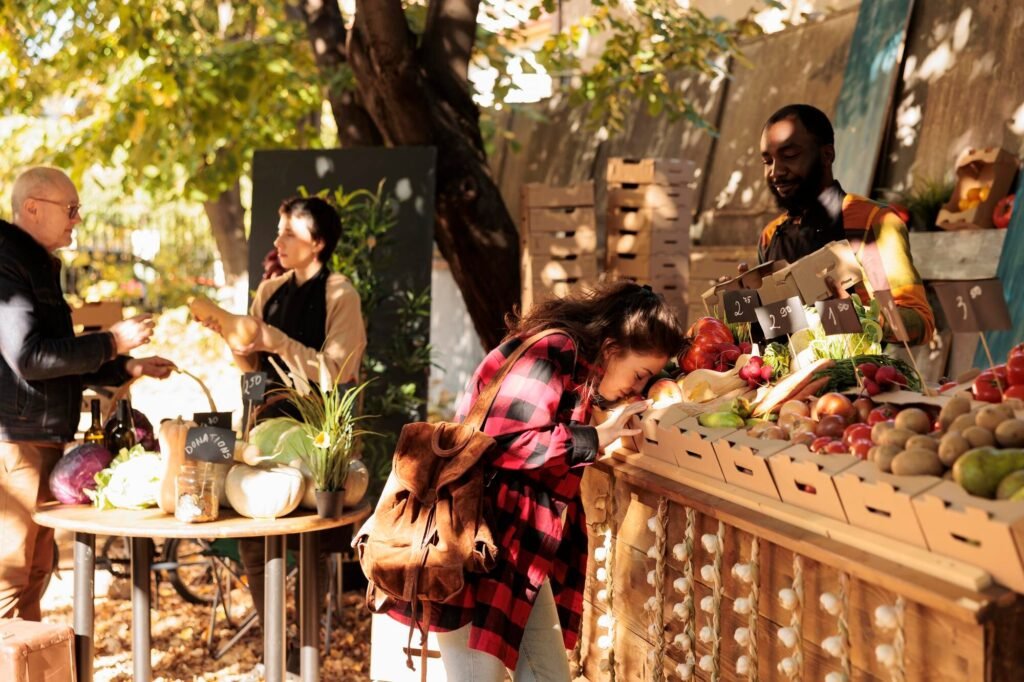
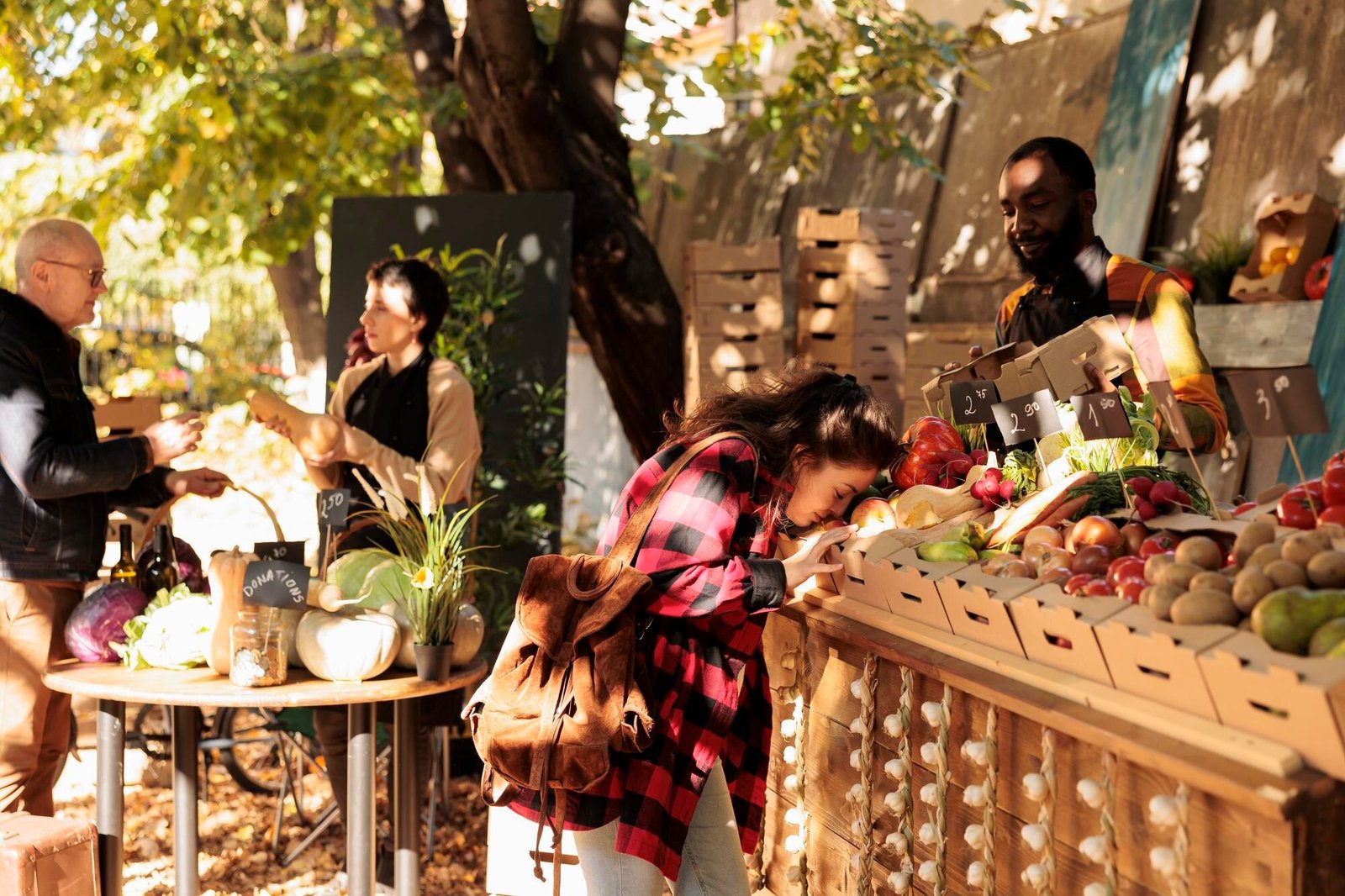
Visit local markets instead of tourist shops for souvenirs. You’ll find unique items at better prices. Plus, it supports local artisans. Lastly, learn a few phrases in the local language. It shows respect and can open doors to deeper connections.
Embrace these travel tips to explore with intention, spontaneity, and responsibility. Your next adventure awaits!